BLOG POST
The Constellation of Intensities: Neuroqueering the Spiky Profile
Why even the "spiky profile" still measures us against a grid — and what a constellation of intensities offers instead.
The Library of Neurodivergent Alexandria
An open archive of neurodivergent voices: writing, talks, podcasts and stories, gathered by the NeuroHub community.
A hall of the Library
ADHD and AuDHD in our own words and in the news: attention, energy, work, waiting lists and the lives we build around them.
Why even the "spiky profile" still measures us against a grid — and what a constellation of intensities offers instead.
Diagnosis has a terrible history. That is not a sentence therapists say often enough. We like to imagine the history of mental health as a steady march toward truth: each generation becoming more…

For as long as I can remember, I thought I was just "too sensitive". It took me over forty years to find out I'm autistic and have ADHD. This is my AuDHD late diagnosis story. If you have spent your…
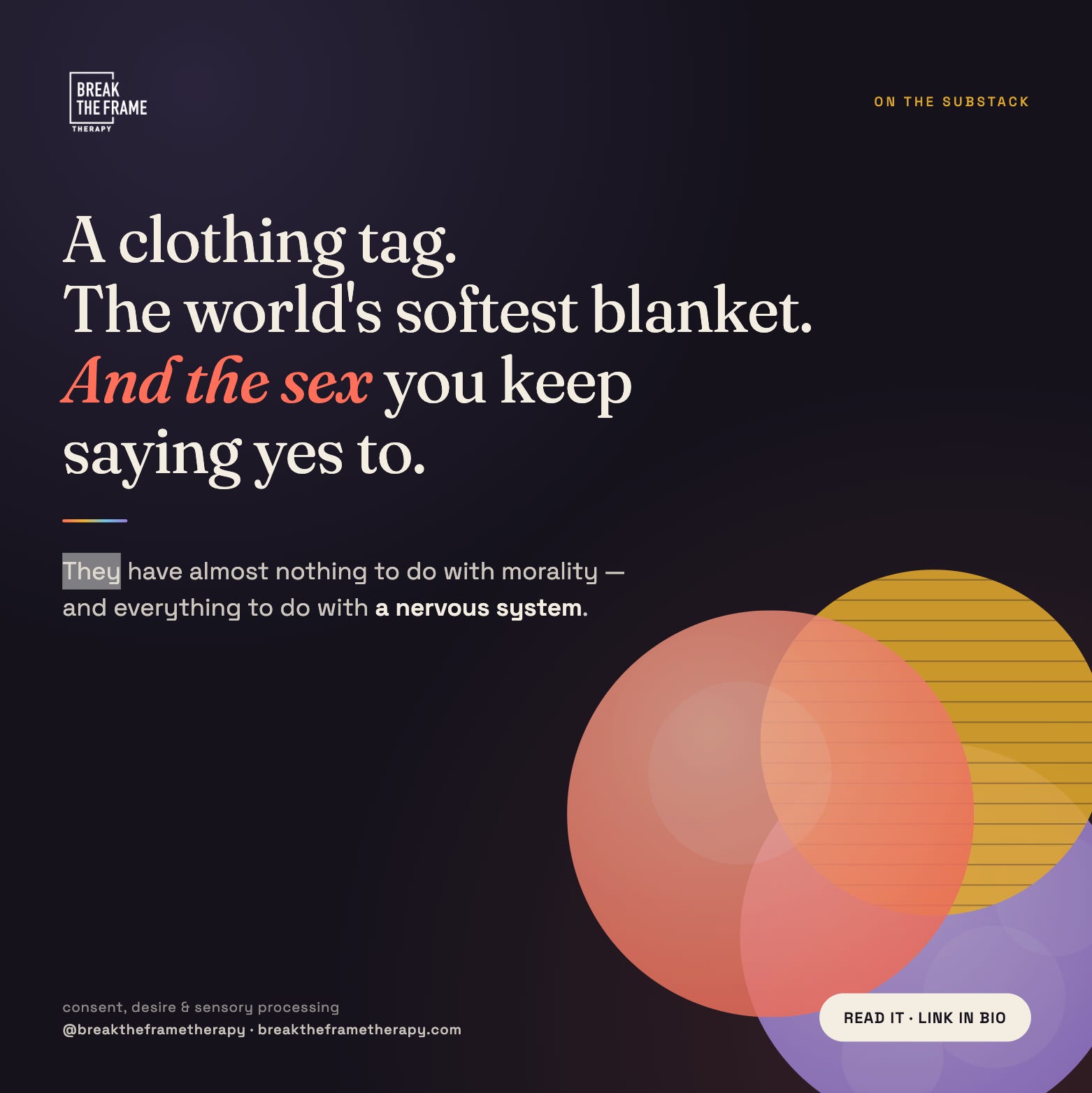
They all have almost nothing to do with morality. They have everything to do with a nervous system. One person’s heaven is another person’s sensory nightmare. The shirt someone else forgets they’re…
THE MAG EXTRA Introduction Welcome to THE MAG EXTRA, my companion blog to THE MAG which was launched at the end of June. Thank you for the positive response shown to that and it is well worth paying…
THE MAG Welcome to THE MAG by Stephen Ashfield July is going to be a very busy month on the Brighton autism/ADHD scene and just wait until August comes along. There are plenty of events taking place…
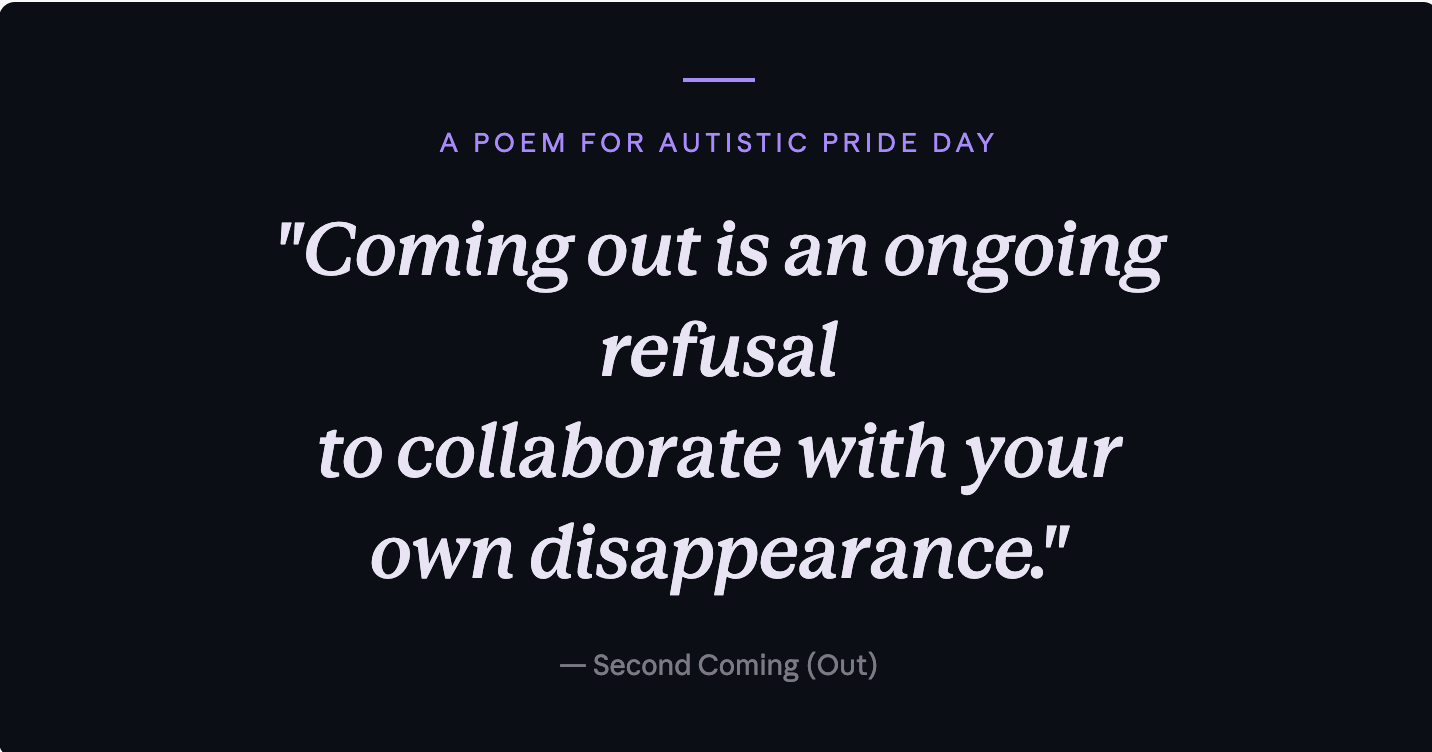
I thought I had already stood at the edge of myself with my hands shaking and my mouth full of future and said: Here. This is who I am. I had been out for decades. Out in the way queer people are…

Enough Like You There are people who say, You don’t seem queer. As if queerness is a costume instead of a life. As if they can measure decades of love with a glance. As if surviving requires no…

I am a bisexual woman married to a woman. And it’s pride month and I’m going to talk about it. Because if you relate, if you’re struggling with taking up space, with owning the fullness of who you…

One of the things I love most about the neurodivergent community is that we challenged expertise. For decades, autistic people were studied but not listened to. ADHDers were talked about but rarely…
There is a specific kind of aliveness that happens when you turn a corner and the street opens up — the sound before the sight, the drums and the bass finding you in the chest before your eyes have…
When people first encounter PDA, they are often handed two competing explanations. One is Pathological Demand Avoidance — a name that frames the nervous system response as disordered, irrational,…

Most people think communication problems are about personality. One person is “too sensitive.” Another is “too blunt.” One “expects mind reading.” The other “doesn’t pay attention.” Breaking The…
If you have spent any time navigating schools, social care, or therapy as an Autistic person or supporting a loved one, you have likely encountered attachment theory. You may have been blamed for…
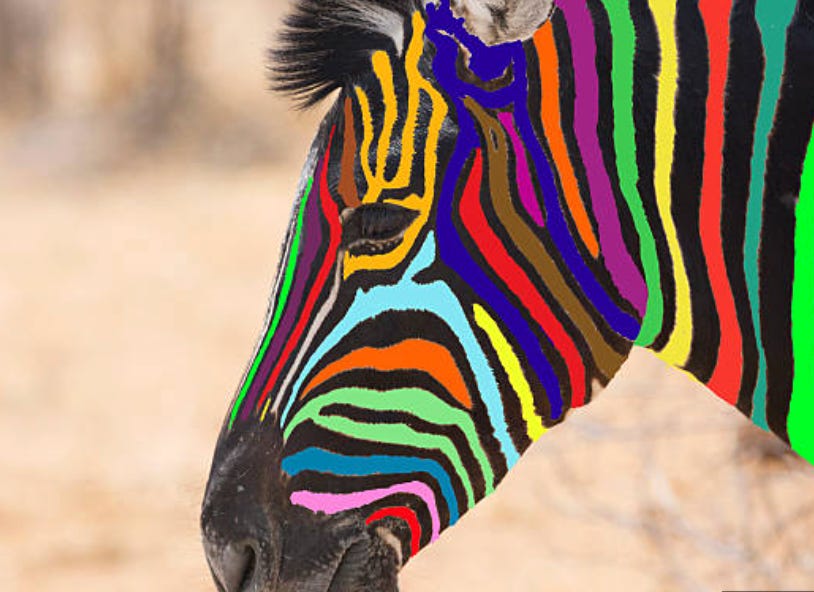
There’s a particular kind of irony to living with a body that can partially dislocate while the world still expects you to hold everything together. It’s Hypermobile Ehlers-Danlos syndrome Awareness…
Limerence in Autistic and ADHD people may be shaped by monotropism, a natural tendency toward deep focus and emotional intensity. Rather than being unhealthy or excessive, this pattern reflects how…
Glass Half Interesting is a blog about sober living, alcohol-free drinks, and the quiet, radical act of choosing what you put in your body. I’m nearly ten years into recovery from drug and alcohol…
A poem about monotropism for children, young people, families and educators to open conversations about Autistic & ADHD experiences.
When headlines claim that autism and ADHD are “invented labels,” it’s more than rhetoric, it’s erasure. A explores why removing neurodiversity from education would harm the very children inclusion is…
Explore how monotropism shapes Autistic, ADHD, and AuDHD attention. Dispelling myths, uncovering research and exploring why neuroaffirming support matters for our wellbeing.
Learn how monotropism differs from polytropism, plus research showing ADHDers and AuDHDers score higher on the Monotropism Questionnaire.
Autistic/ADHD people are more likely to be monotropic and resonate with the theory of monotropism. Dinah Murray, Wenn Lawson, and Mike Lesser developed the theory of monotropism in the late 1990s. It…