BLOG POST
the site went live
monotropicmap.org exists. The Map of Monotropic Experiences has its own home, built on Helen Edgar's go-ahead with joint Stimpunks and Autistic Realms attribution settled first. What is here Both…
The Library of Neurodivergent Alexandria
An open archive of neurodivergent voices: writing, talks, podcasts and stories, gathered by the NeuroHub community.
The Reading Room
Posts from neurodivergent writers and the blogs the Library follows.
monotropicmap.org exists. The Map of Monotropic Experiences has its own home, built on Helen Edgar's go-ahead with joint Stimpunks and Autistic Realms attribution settled first. What is here Both…
I spent the first eighteen years of my life feeling like a broken neurotypical. The most common thing I heard from teachers and professionals was that I was incredibly intelligent, but failing to…
Dolly Parton, 1946–2026: a weed is not a kind of plant but a verdict about a place, and sixty years spent handing out legibility without a test — read alongside Tressie McMillan Cottom on what made…
Helen Edgar on lost things, wonder, and the cabinets we keep for one another — Emily’s shop, the herbarium type specimen, Ole Worm’s unicorn horn, and attention that refuses to be filed.
queering.earth Queering readings of literature, poetry, art, people and history. A collaboration between Helen Edgar and Ryan Boren, Stimpunks Foundation
Zine No. 110 — Star Stuff A byline has one field and contribution does not — what happened when the format was pushed to 5,154 names, what got built instead, and the practice that follows at any…
Field Guide No. 25 — Field Guides Eleven pieces of work sorted not by how famous the person was but by how the name came off — because “she was not given credit” is not one event. It is five…
Zine No. 109 — Young Readers A read-aloud about somebody who read three and a half miles of paper, found one messy bit, and did not throw it away — and about saying who found things, with every…
Zine No. 108 — How We Got Here On the sentence Schrödinger wrote immediately after coining the genetic code — and the eighty years the rest of us spent keeping only the first half of it.
Zine No. 107 — Young Readers A read-aloud about a thing everybody says about you that turns out not to work — and what an onion has to do with it, with every source kept on the page for the grown-up.
Zine No. 106 — Young Readers A read-aloud about reading three letters at a time, and finding out that nearly everything has several right spellings — with something you can try, and every source kept…
Limerence read as monotropic attention rather than as a disorder — Glass, Beethoven, Huxley and García Márquez held against the line in Browning where a love poem stops climbing and comes down to the…
Zine No. 105 — Young Readers A read-aloud about the four letters that everything alive is written with, and the one thing about them nobody checks — with something you can try, and every source kept…
Zine No. 104 — Young Readers A read-aloud about the warm band around a star, where Earth actually sits in it, and why nothing alive has the same one — with every source kept on the page for the…
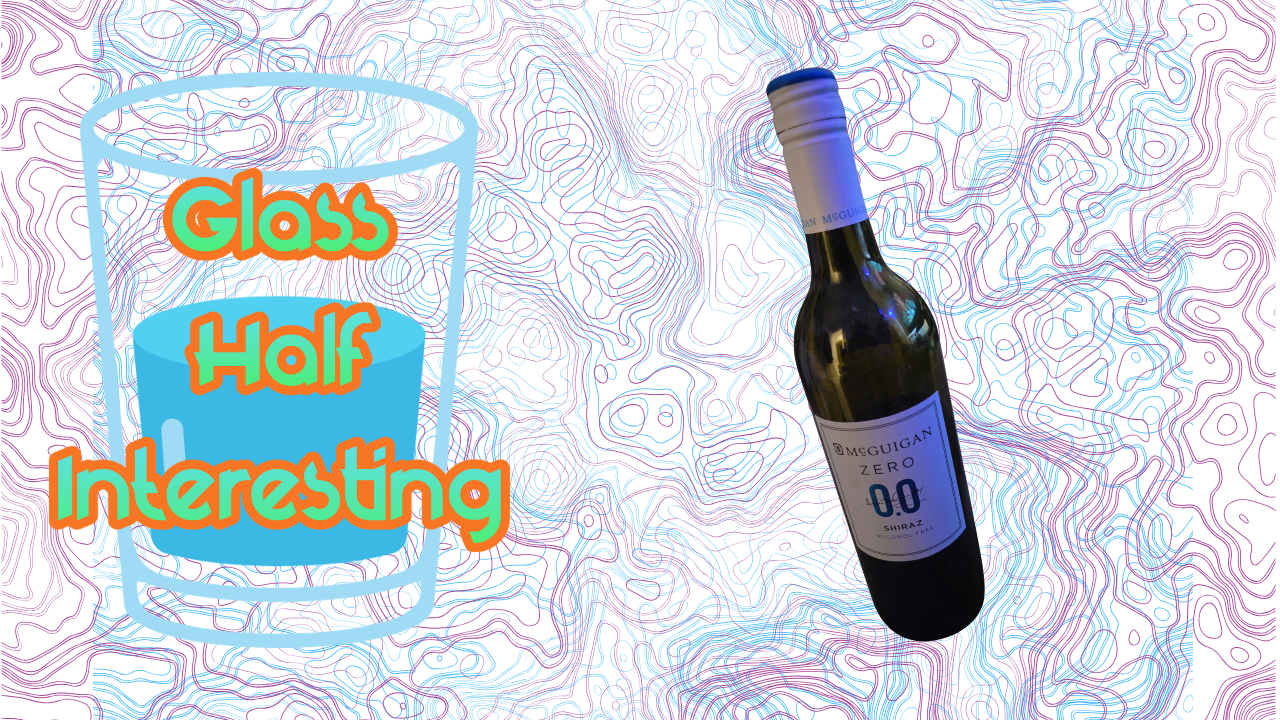
There is a particular kind of Friday evening that asks for a glass of red. Not a celebration, not an occasion; just the slow exhale at the end of a working week, the moment where you sit down and…
Exploring Bagpuss through a neurodivergent lens: monotropism, slow attention, and the quiet beauty of restoring meaning to lost and overlooked things.
11 September 2026 — Glimmer Wire The week the network answered — three papers read end to end, and the longest lag the axis has measured.
Every sheet on queering.earth in accession order, with what a sheet is, what a reading, an essay and a wall each mean, and what the numbers do and do not say.
Townes Van Zandt, Vincent van Gogh, Sylvia Plath and Kurt Cobain, read against the myth that made them: four records in which the work was not the symptom but the thing that was going well.
The founding papers of queering.earth: the aims, the manifesto, and the paper about the shelf — what each is for, why none of them is a sheet, and which one is signed.
The working pages of queering.earth: the colophon, the register, the ledger, the decisions, the finding aid and the privacy page — what each is for, and what the build checks about them.
Every page in the cabinet, newest first, with the day it arrived and how often it has been corrected since. The register says why something changed; this page says what is here. Subscribe by feed, or…
This site’s fair-use position, written down: what we quote from work still in copyright, how much of it, why we think we may, and what to do if you hold the rights and disagree.
Lewis Carroll's Snark, a creature named before anybody saw it; Deleuze's empty square; and Kassiane Asasumasu, who coined neurodivergent and had to say so out loud.